What Florence Wants
Florence SC Water Pressure Problems & Boil Water Advisories: The Crisis We Can't Wash Away
HelloFlorenceSC Watch
Desk
•
Series: What
Florence Wants
•
7 min read
Start typing to search the site...
Florence, SC & the Pee Dee Region
Your Community Guide
Front Porch Talk
What Florence Wants
Turn on the tap in Florence and there's a small, familiar moment of doubt: will the water run clear, will the pressure be there, or will your phone buzz with a boil-water notice before you've finished filling the coffee pot?
That's not a hypothetical. It's happened more than once in the last two years, and the city itself has now put a number on what it will cost to stop it from happening again.
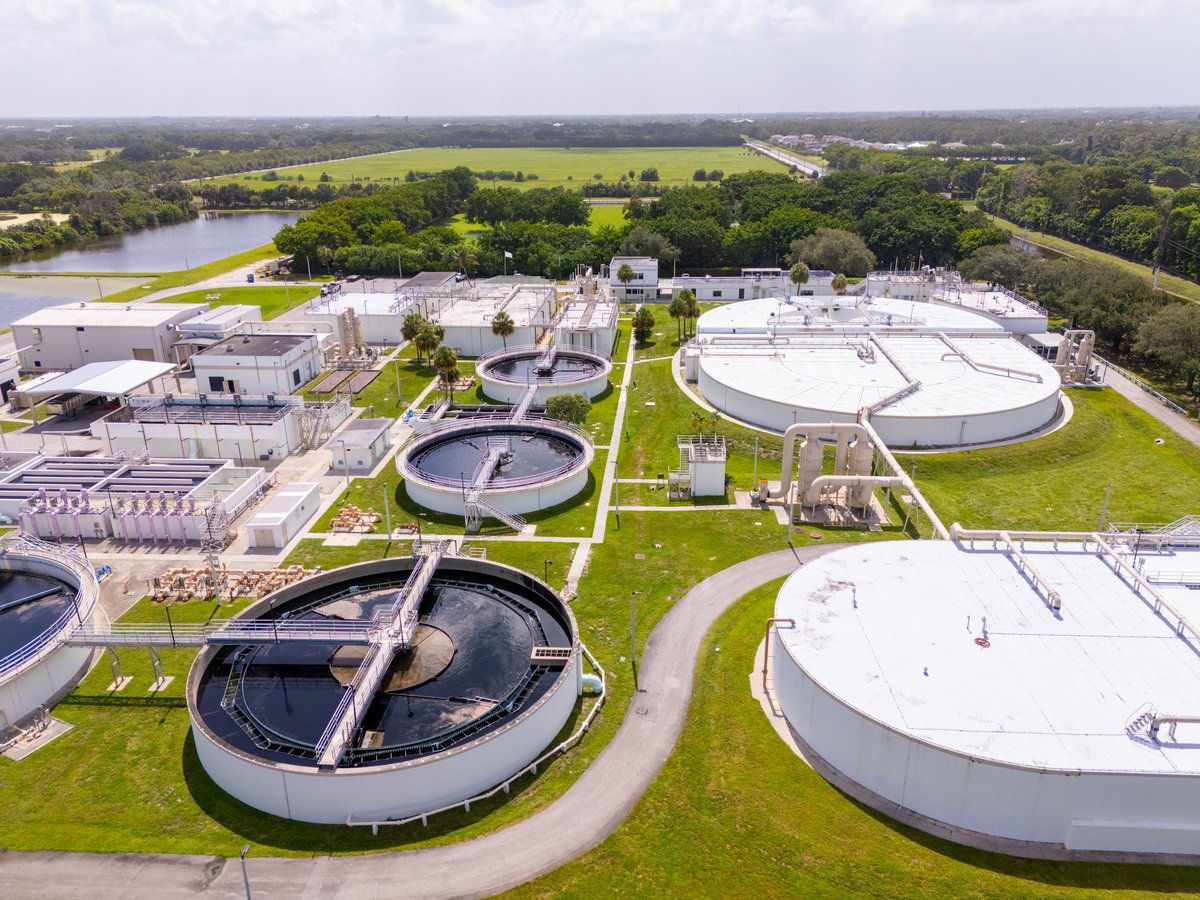
Tropical Storm Debby sent a surge of sediment into the Pee Dee River — the city's main water source. The sediment overwhelmed the surface water treatment plant's filtration, forcing a shutdown. At the same time, one of the city's 12 groundwater wells unexpectedly failed.
Water pressure "plummeted citywide" around midday on Friday, August 16, 2024. Pressure wasn't restored until Saturday morning, and the boil-water advisory that followed wasn't lifted until midday Sunday, August 18 — a 48-hour disruption that hit homes, businesses, downtown restaurants, hospitals and schools.
"Quite frankly, it was a failure on staff's part."
— Interim City Manager Scotty Davis, to the Post and Courier. Established procedures for notifying executive-level city leadership about the developing problem weren't followed.
A contractor damaged a water main on Thursday, July 9, 2026, triggering a boil-water advisory for the Pine Forest, Olde Mill and Parkwood neighborhoods while the city waited on bacteriological test results.
That wasn't a one-time event — it was the most recent in a pattern residents have felt firsthand.
To its credit, the city isn't pretending this is fine. In a formal announcement, the City of Florence laid out a multi-year, nearly $85 million initiative — funded through bonds and annual capital improvement dollars — aimed directly at the problems residents have felt:
Growing the surface water treatment plant from 10 to 15 million gallons a day.
Improving the wells that supply 63% of the city's drinking water.
Sizing up the Jeffries Creek sewer interceptor to cut overflow risk.
Installing live monitoring so problems get caught before they cascade into a citywide pressure loss.
The city describes the goal explicitly as addressing "low water pressure, service disruptions, and boil water advisories" tied to severe weather. The plan runs in phases — site investigations and well testing in the first 60 days, completed engineering designs within six months, and multi-phase construction over a year or more.
That's a gap HelloFlorenceSC can help close by tracking every advisory as it's issued, going forward, in one place.
What neighborhood are you in, and how many boil-water advisories or pressure drops have you dealt with this year? Tell us in the comments — we're building a running, neighborhood-by-neighborhood record so this isn't just anecdotal the next time it happens.
Share your experienceEditor's note: A precise annual count of advisories per neighborhood was not available from a published source at the time of writing; this article states that clearly rather than estimating a figure.